
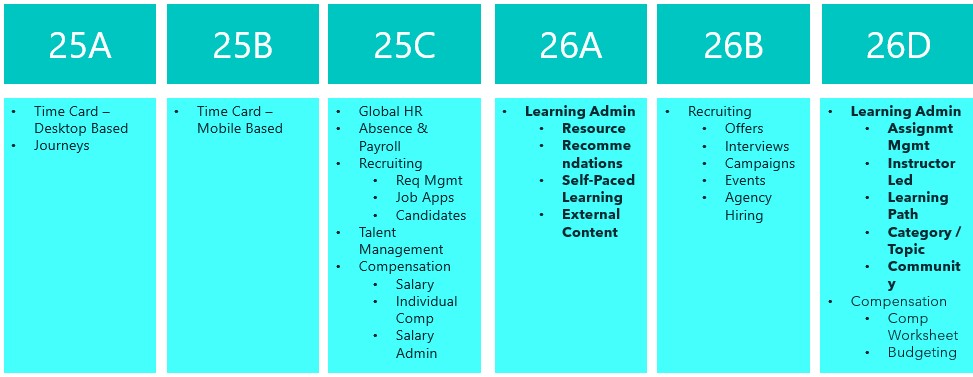
Release 26B is now here and we’re edging closer to the final Redwood deadline for Learn in 26D. This final deadline incorporates the remainder of the Learning Admin tasks, but the key one is Assignment Management. This is going to be a key focus for Oracle in the next couple of releases.
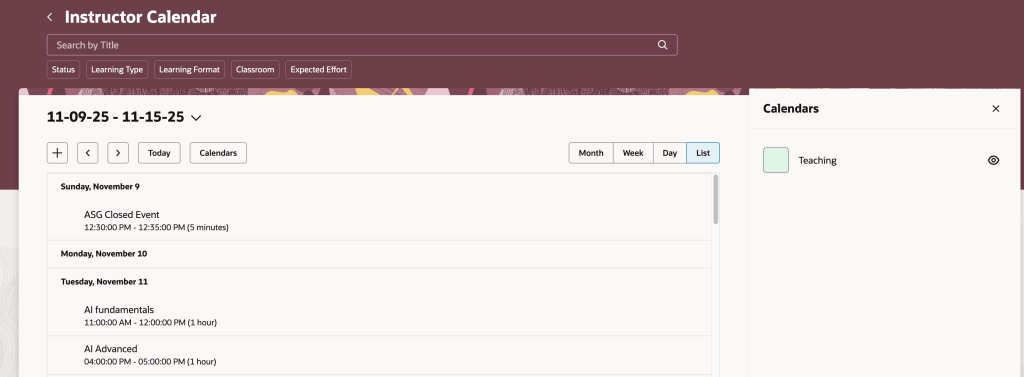
The first feature is one that came from the Customer Idea Lab, which means a customer logged it and other customers voted for it. The enhanced Instructor Activity Center brings all instructor‑led event management into a single, intuitive calendar‑based workspace. Instructors can view and manage sessions in multiple calendar views, access event details and materials directly from the calendar, create or join sessions quickly, and easily manage learners, attendance and enrolments. By centralising scheduling, session management and learner engagement, the experience reduces administration and allows instructors to focus more on delivering high‑quality learning.
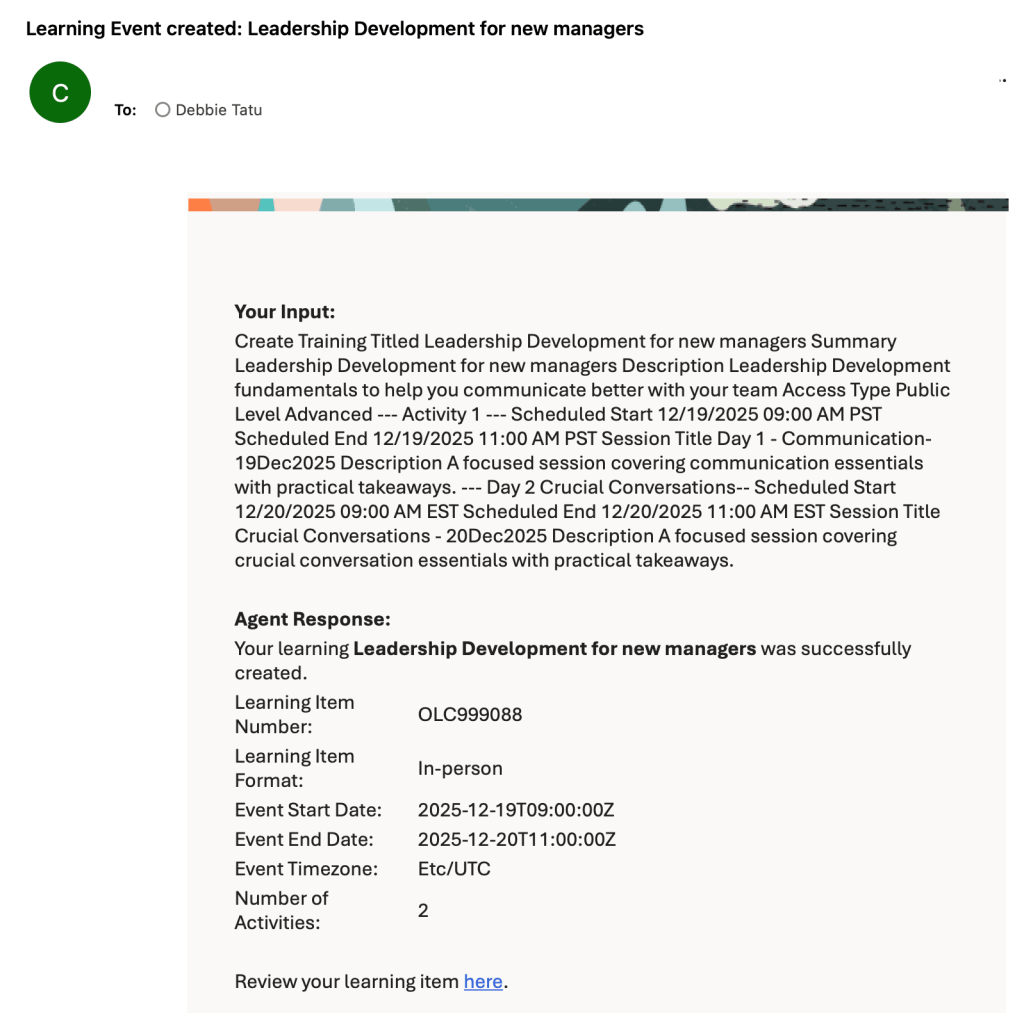
The enhanced Learning Creation Assistant now allows learning content to be created directly from email, making it faster and easier for instructors and learning teams to contribute new content. By simply sending instructions in the email body or as an attachment, users can generate a range of learning formats and receive a confirmation with a direct link to the draft item. This streamlined approach reduces administrative effort, removes reliance on complex workflows, and helps organisations accelerate knowledge sharing across the business.
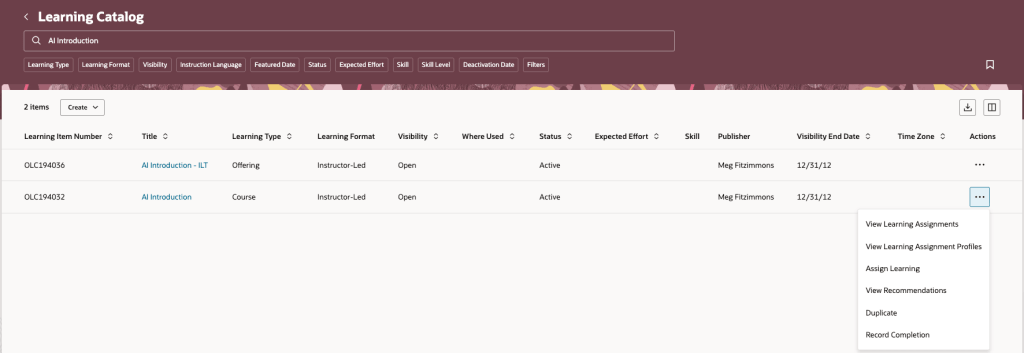
The updated Redwood Record and Request Learning experience makes it easier to record, request and track learning activity across the organisation, whether it sits inside or outside the learning catalogue. Teams can record completions, request external learning, and manage assignments more flexibly, including setting initial statuses and creating profiles with past start dates. Together, these enhancements provide a more complete and accurate view of workforce learning, supporting compliance, personalised development and better‑informed decision‑making.
The enhanced support for online learning events makes it easier to deliver engaging, well‑managed virtual classrooms, including richer integration with Microsoft Teams. Instructors can use automated meeting creation, breakout rooms, attendance tracking and completion rules, while learners benefit from seamless access via notifications and calendar invites. Together, these improvements reduce manual effort for learning teams and create a smoother, more connected experience for both instructors and participants.
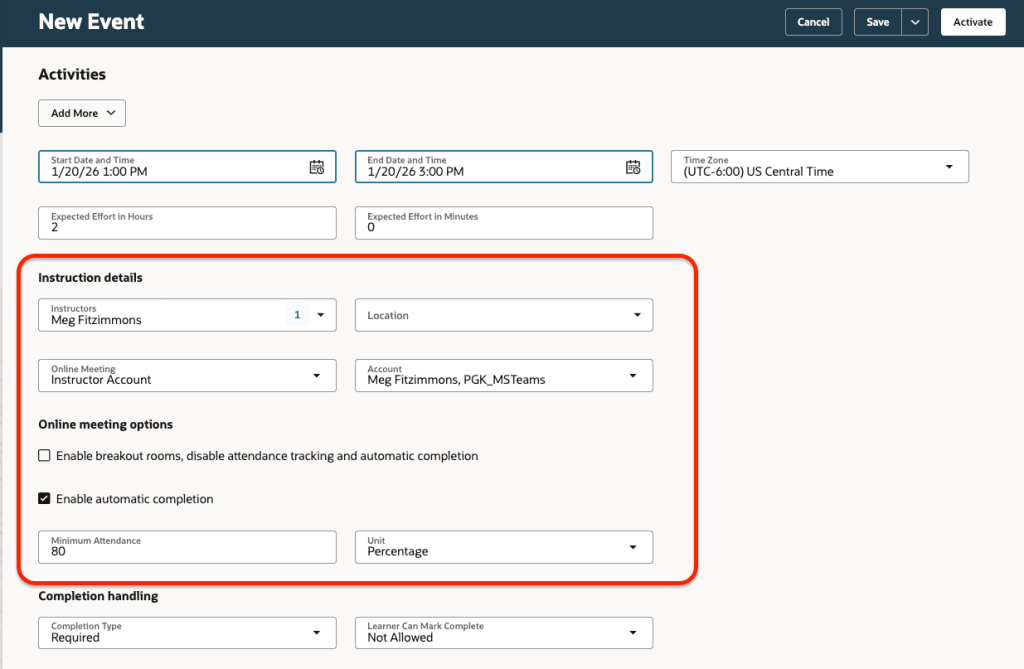
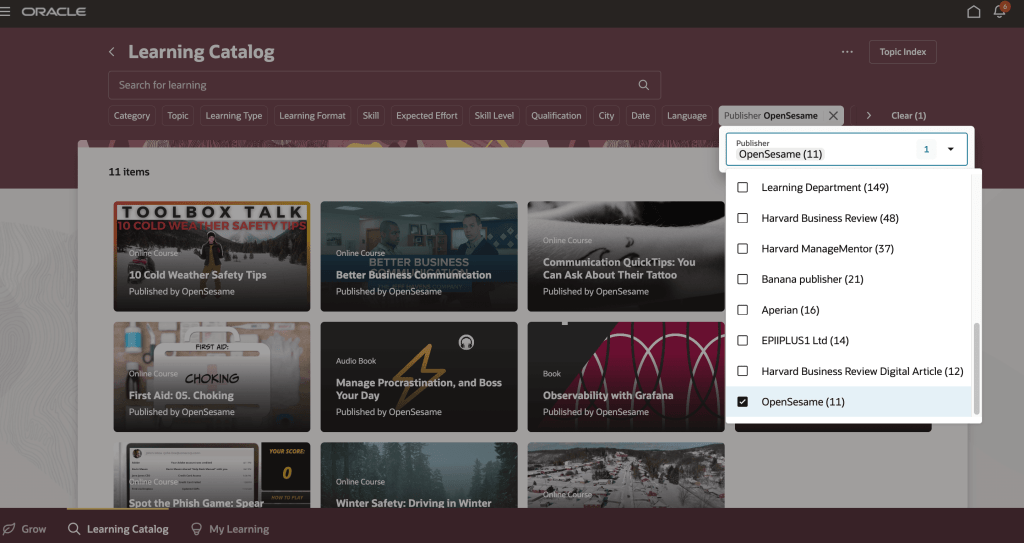
The final enhancements I want to highlight focus on third‑party learning content, specifically integrations with OpenSesame and Udemy. The OpenSesame integration makes it simple to bring high‑quality, third‑party content into Oracle Learning as self‑paced courses, with automated refreshes keeping the catalogue up to date and learner progress tracked seamlessly in a single transcript. Alongside this, the Udemy Business integration allows curated learning paths to be automatically imported and managed within Oracle Learning, giving learning teams clear visibility through xAPI tracking while providing learners with uninterrupted access to Udemy content. Together, these integrations reduce administration, improve catalogue visibility and broaden access to valuable learning resources real‑time tracking of learning outcomes.
Oracle often introduces a few additional features as the month progresses, so it’s always worth keeping an eye out. If anything particularly exciting appears, I’ll share a follow‑up blog to make sure you’re fully up to date. In the meantime, you can read my latest write‑up on the new Core HR features in Release 26B here.
Please note all screenshots are the property of Oracle and are used according to their Copyright Guidelines

 K8 Mead