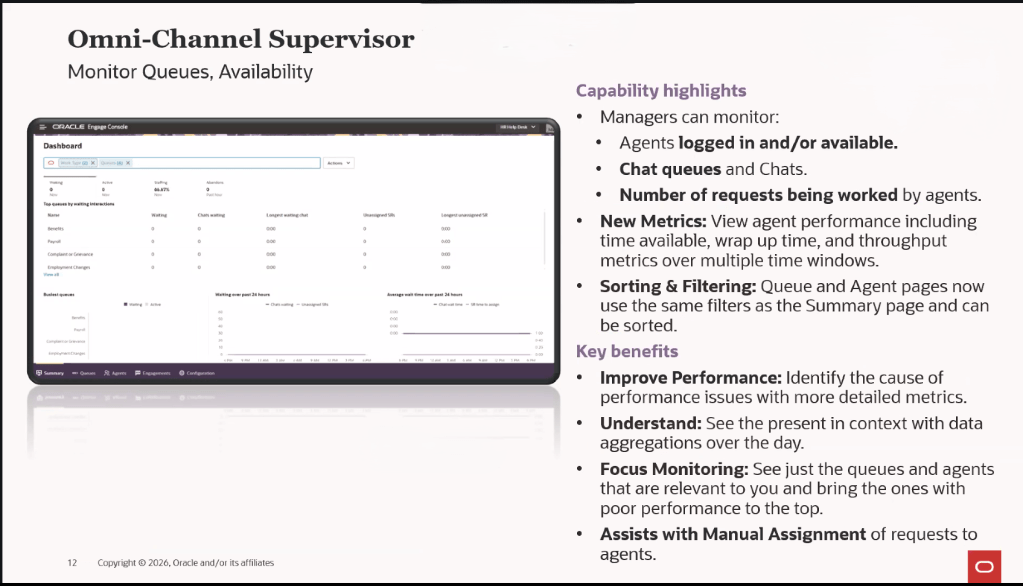
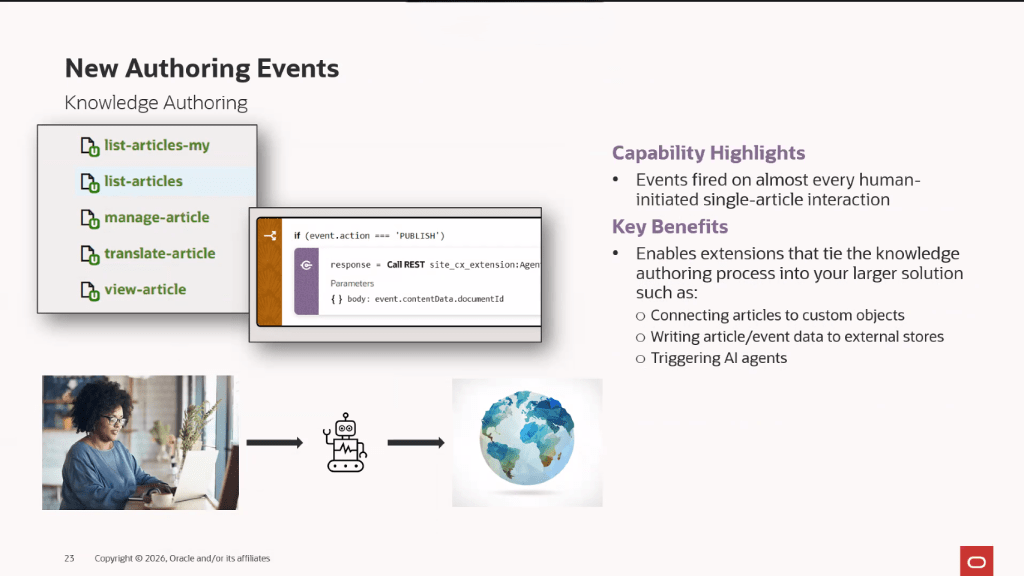
It’s quarterly release season again and Oracle has already revealed a healthy batch of new features for Help Desk in 26D. What struck me most this quarter wasn’t necessarily the number of new features, but how much Oracle continues to invest in making support part of the wider employee experience. The latest updates are less about helping agents work faster and more about helping employees find answers, complete actions and stay on top of requests without having to navigate multiple areas of HCM.
There’s also an important reminder for anyone still running Classic HR Help Desk. Oracle has reconfirmed that the Redwood migration deadline is fast approaching and, if you haven’t started planning yet, now is the time. As always, Oracle may add further features as the release progresses, but let’s take a look at the highlights from the first wave of 26D announcements.
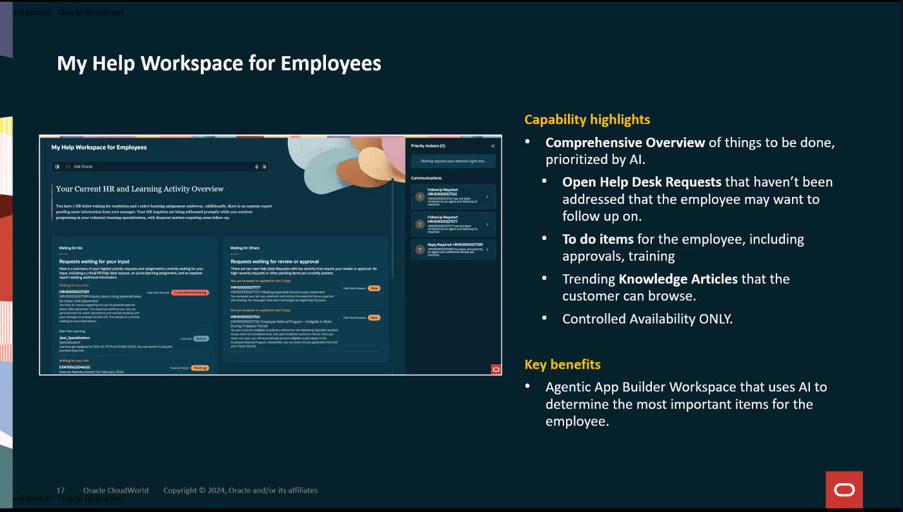
The standout feature in 26D for me is the new My Help Workspace for Employees. If you’ve ever watched employees navigate Oracle HCM, you’ll know one of the biggest frustrations isn’t necessarily finding information. It’s remembering where everything lives. Help requests sit in one place, learning assignments in another, expenses somewhere else, and absence requests somewhere else again. Oracle is clearly trying to tackle that problem.
The new workspace gives employees a single place to see the activities and requests that need their attention. Whether that’s a Help Desk request waiting for a response, an outstanding task, or useful knowledge content, employees can quickly see what requires action without having to navigate around multiple parts of Oracle HCM.
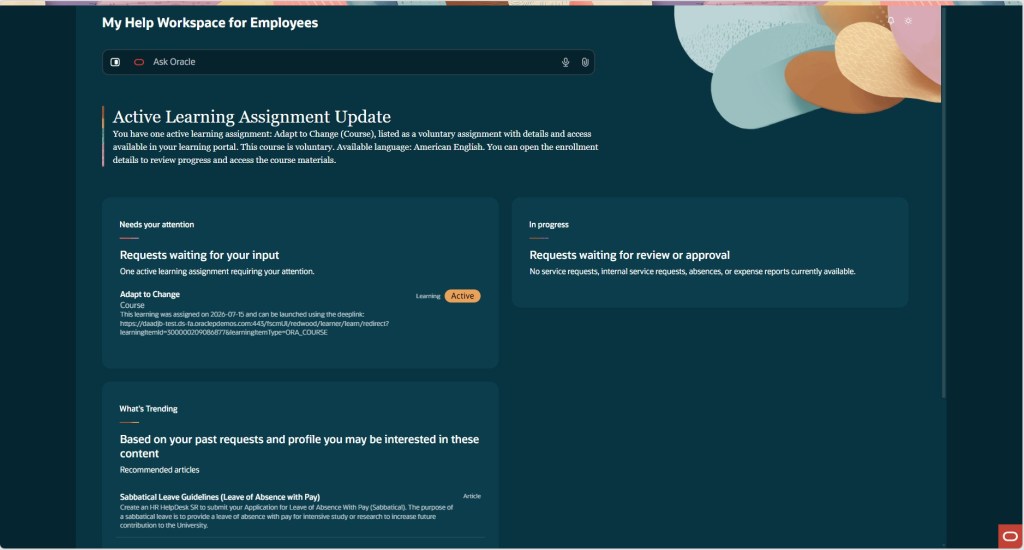
What I particularly like is that it isn’t just a reporting page. Employees can take action directly from the workspace. If a Help Desk analyst is waiting for additional information, the employee can respond immediately. If a request seems to have gone quiet, they can follow up without having to navigate elsewhere.
Oracle has also made it easier to get support when employees need it. The Ask Oracle search capability is available directly within the workspace, with access to a full AI-powered chat experience without taking users away from what they’re doing. This feels very much like the direction Oracle is heading with many of its AI investments. Rather than forcing users to jump between modules, Oracle is bringing information and actions together in a single experience and letting AI help guide employees to the next thing they should do.
For organisations exploring Oracle’s Agentic AI strategy, this is probably one of the clearest real-world examples we’ve seen so far. It’s practical, employee-facing and solves a genuine problem rather than introducing technology for technology’s sake.
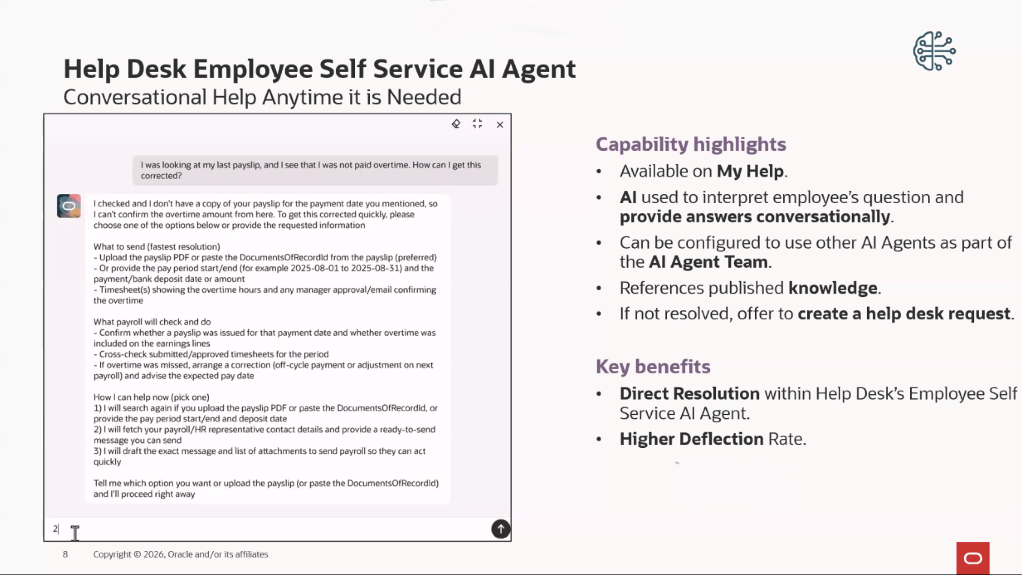
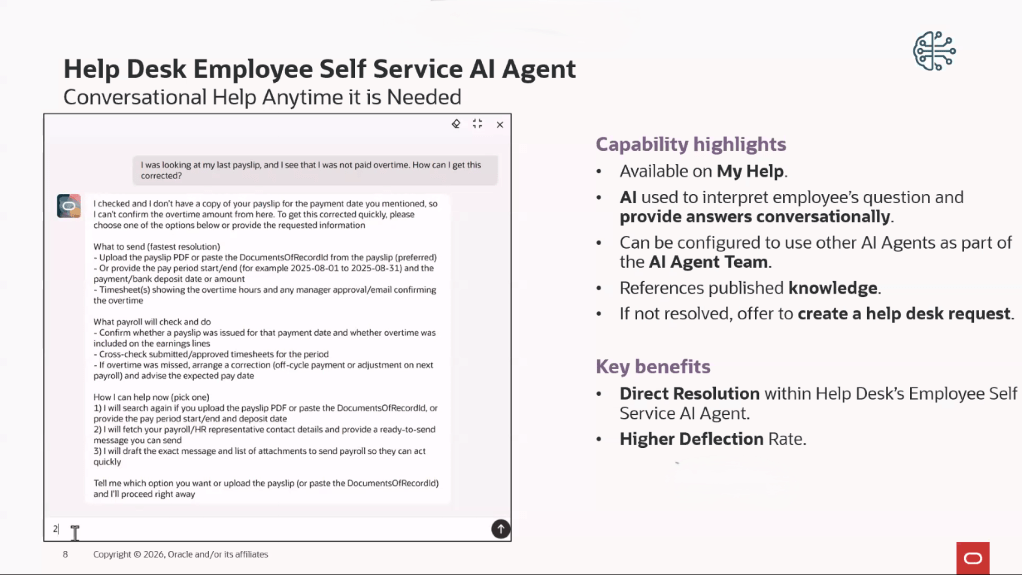
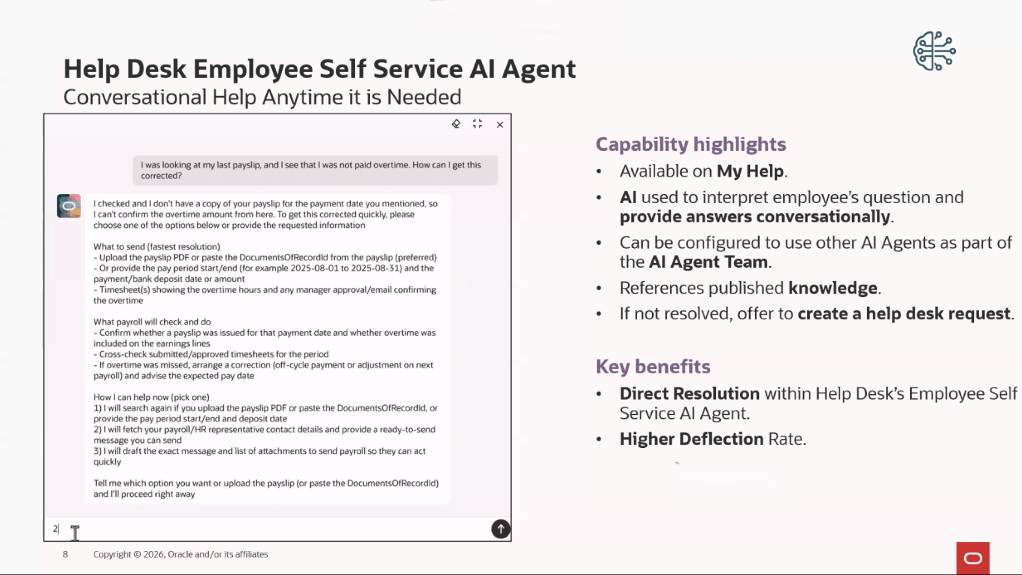
The Employee Help Desk Self Service Assistant continues to mature with every release, and 26D includes a collection of smaller enhancements that together make a significant difference. The most interesting addition is the use of the Classification Agent when requests are created through the assistant. Instead of employees having to work out categories, priorities and classifications themselves, the AI can now determine much of that information automatically. That might not sound particularly exciting on the surface, but anyone who has spent time reviewing Help Desk data will immediately recognise the value. Better categorisation means better reporting, more consistent routing and less manual effort for support teams.
Oracle has also improved how knowledge content is surfaced by filtering results based on Business Unit. In practice, that means employees are more likely to see information that is relevant to their part of the organisation rather than scrolling through articles that may not apply to them.
One enhancement that I think many customers will appreciate is the ability to identify requests created through the AI assistant using a dedicated source code. Until now, measuring AI adoption has often been surprisingly difficult. Organisations can now report on how many requests originated through the assistant, making it far easier to understand whether employees are actually using the capability and whether it is delivering value. For me, that’s an important step. AI shouldn’t just be implemented. It should be measurable.
Oracle has also continued its push to make AI Agent Studio the centre of AI configuration by allowing the assistant to be run and customised directly from the platform. That gives organisations more flexibility to tailor the experience as their AI strategy evolves.
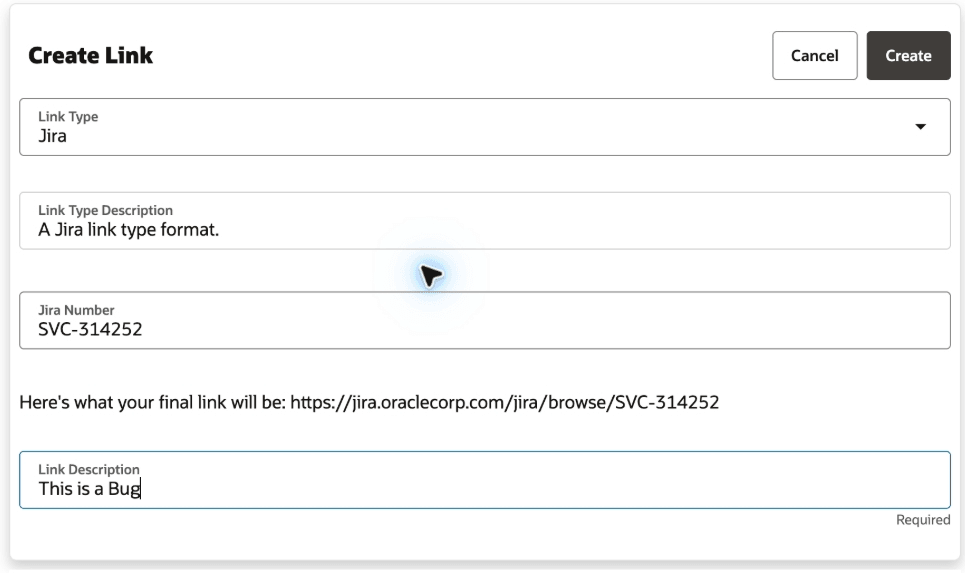
One of the more practical additions in 26D is the ability to associate external links directly with Help Desk requests. Whether your teams work with Jira, SharePoint, Confluence, Google Workspace or other business systems, agents can now link relevant records directly from within a service request.
This isn’t a headline-grabbing feature, but it’s exactly the sort of improvement that saves people time every day. Instead of searching through emails, chat messages or separate applications to find supporting information, agents can access everything they need from the Help Desk request itself. For organisations where support processes span multiple systems and teams, small improvements like this can have a surprisingly positive impact on efficiency and collaboration.
Another area receiving attention in 26D is administration. A number of Help Desk configuration pages have now been brought into the Redwood experience, including Categories, Severities, Channels and Visibilities, Message Types and SmartText. On the surface, this might not feel like a particularly exciting enhancement. However, administrators who regularly manage Help Desk configurations will probably appreciate it more than most.
One of the frustrations during Oracle’s Redwood journey has been moving backwards and forwards between Redwood pages and older administration screens. Every additional configuration page that moves to Redwood helps create a more consistent experience. It’s not transformational, but it is another sign that Oracle’s commitment to Redwood remains firmly on track.
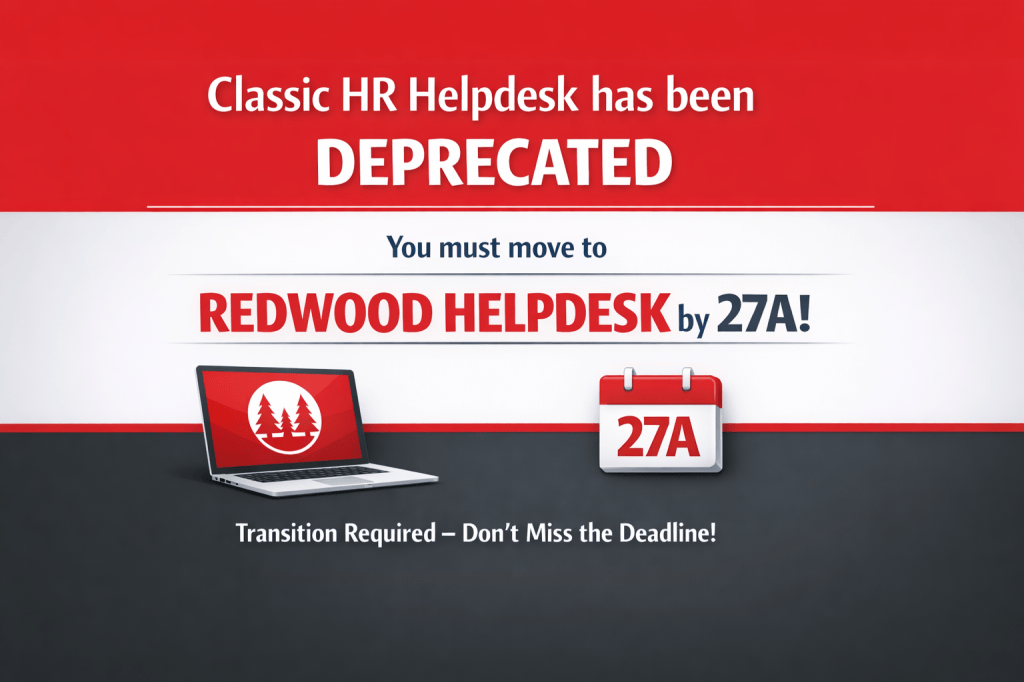
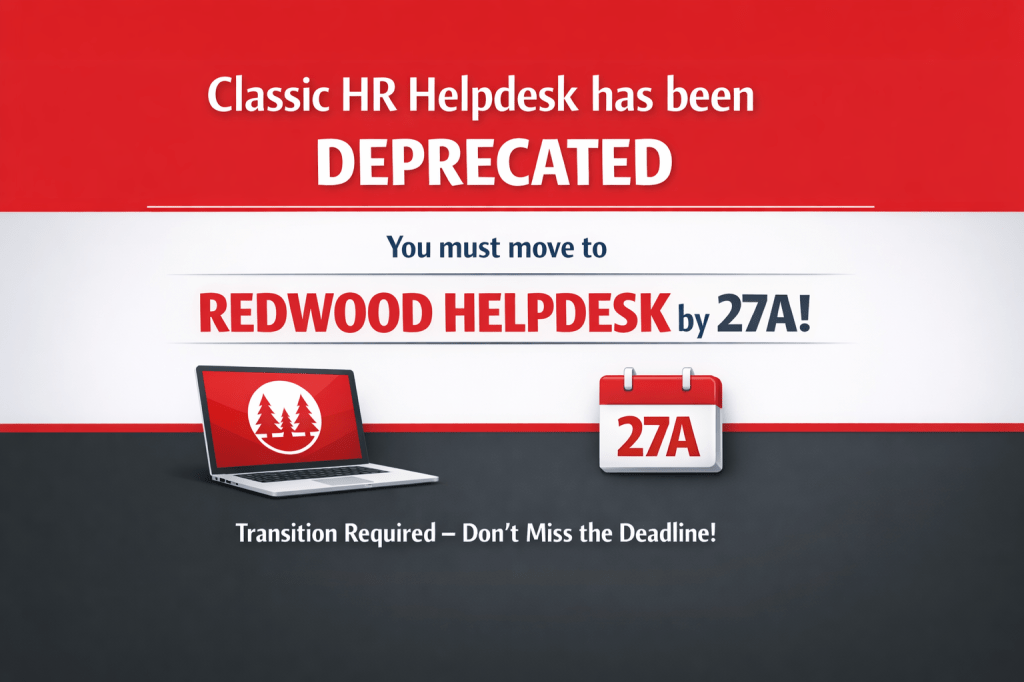
Normally I finish these blogs by talking about what’s coming next. This quarter, I want to finish with a warning. Oracle has reconfirmed that Classic HR Help Desk will no longer be available from 27B. If you’re already running Help Desk in Redwood, that’s not a problem. If you’re still using Classic HR Help Desk, however, this deadline should be firmly on your radar. The reason isn’t simply that Oracle is retiring the old experience. Increasingly, the innovation is happening exclusively in Redwood.
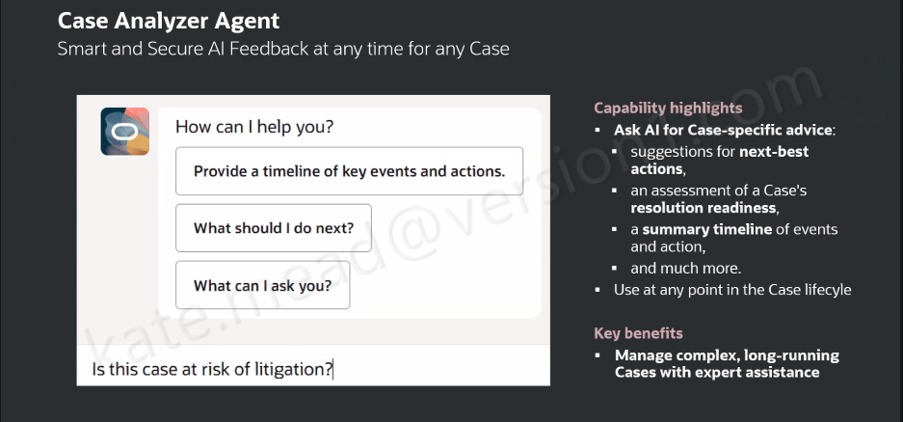
Many of the capabilities organisations are looking at today, including AI-powered self-service, modern employee experiences, enhanced case management capabilities and the new My Help Workspace for Employees, are only available in the Redwood experience. As each quarterly update arrives, that gap is becoming more noticeable. That’s becoming a recurring theme across Oracle HCM as a whole. The question is no longer whether organisations should move to Redwood. The question is whether they’re leaving themselves enough time to get there.
Migration isn’t something I’d recommend leaving until the final few months before an update. There are prerequisites to review, validation activities to complete, testing cycles to run and potentially business processes that need to be reviewed along the way. Starting early gives you time to resolve issues before they become critical path activities. Oracle has provided migration guidance, workbooks and checklists to support the transition, but the key message remains the same: if you’re still on Classic HR Help Desk, this should be a priority for the remainder of 2026.
Overall, this isn’t a release packed with dozens of transformational features, but it does show a very clear direction of travel. Oracle continues to invest heavily in AI-assisted support, employee self-service and Redwood-first experiences, while gradually bringing together information and actions that have traditionally been scattered across multiple areas of HCM.
For most organisations, the new My Help Workspace for Employees and the continued evolution of the Self Service Assistant will be the features worth paying closest attention to. They demonstrate how Oracle is moving beyond simply answering questions and towards helping employees complete tasks, resolve issues and manage their work through AI-assisted experiences. And if you’re still running Classic HR Help Desk, the Redwood migration deadline should probably be the feature getting the most attention of all.
Please note that all screenshots are the property of Oracle and are used in accordance with Oracle’s Copyright Guidelines.