
It’s that point in the quarter again, and Release 26C brings a solid set of Payroll updates across global capabilities, UK legislation, US compliance, and a particularly strong set of enhancements for Ireland. As always, Oracle may introduce further updates as the release progresses, but here’s what stands out so far.
One of the most useful additions in this release is enhanced audit visibility for costing. Payroll and finance teams now have a clear, end-to-end view of changes made across costing setups. This means you can quickly understand what has changed, when it changed, and who made the change, without relying on manual tracking or investigation.
In practice, this improves both control and confidence. It supports audit readiness, reduces time spent investigating discrepancies, and makes it easier to explain costing outcomes to stakeholders. The fact that it is available straight away, with no setup required, makes it an easy win.
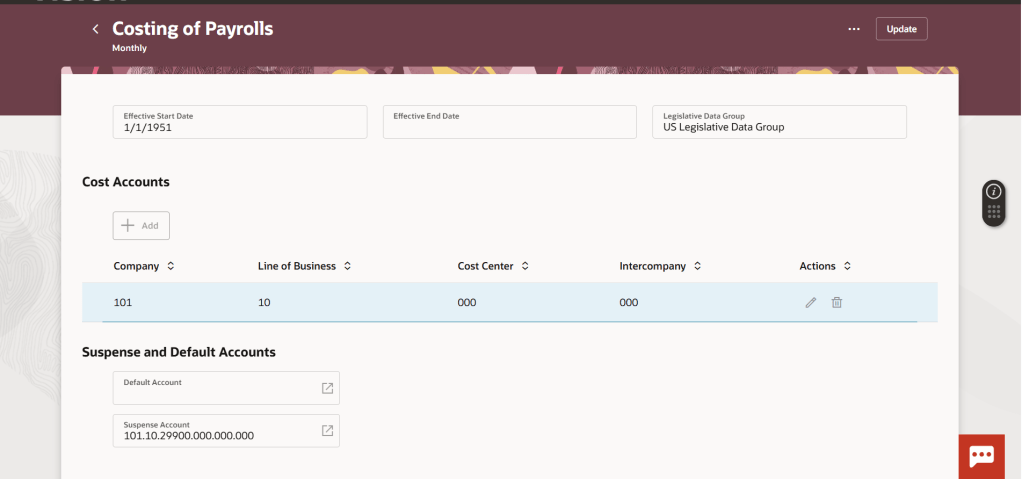
Another helpful improvement is the introduction of a consolidated view of costing configuration within the Redwood experience. Instead of switching between different areas to understand how costing is set up, everything is now visible in one place.
The benefit here is simplicity. It becomes much easier to validate configuration, spot inconsistencies, and understand how costing is applied across different levels. For teams supporting multiple payrolls or complex structures, this will save time and reduce the risk of mistakes.
The continued rollout of Redwood is also worth noting. Additional payroll setup pages have now moved across, bringing a more consistent and searchable user experience. For teams already using Redwood, this reduces the need to move between interfaces. For others, it is another step towards a more modern and intuitive payroll administration experience.
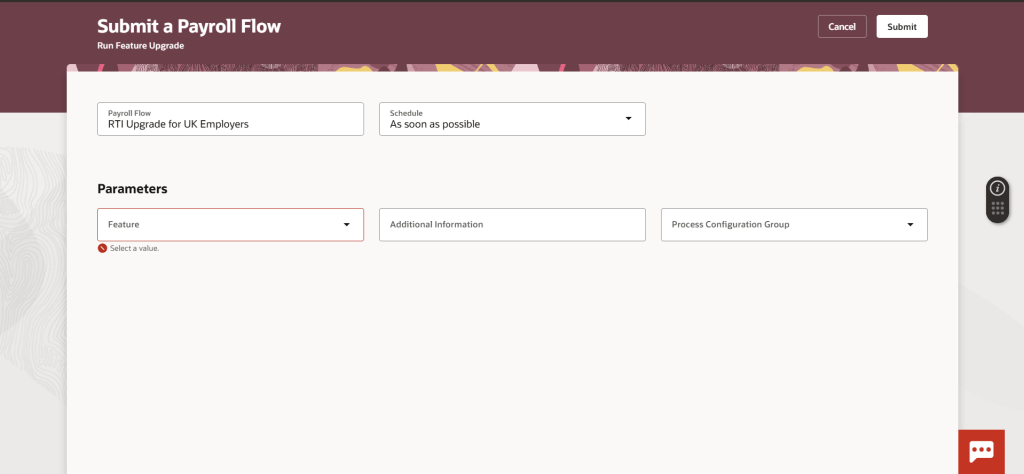
There are four key UK updates in 26C, starting with one that requires action. The update to RTI encryption introduces a stronger approach to protecting submission credentials. While this is not applied automatically, it is important to prioritise, as it ensures compliance with the latest security standards. The benefit is straightforward: improved protection of sensitive payroll data and reduced risk in RTI submissions.
The next update is the automatic enablement of Redwood for key employee self service pages, including Pension Enrolment and New Starter Declaration. For organisations already using these, it removes the need to manage profile options. For employees, it means a more consistent and user-friendly experience when completing important payroll-related tasks.
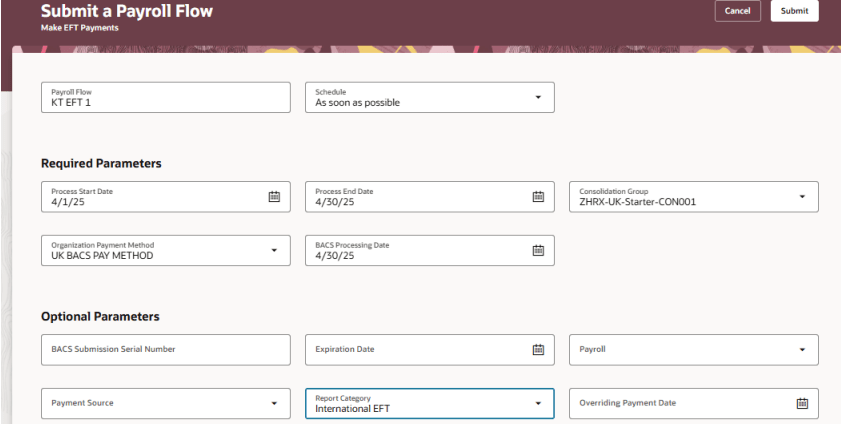
There is also an update to international payment formats to align with ISO 20022 standards. For payroll teams managing cross-border payments, this provides better alignment with modern banking requirements and supports smoother processing with financial institutions.
One of the more visible enhancements is the introduction of a digital P45 through Document of Record. Traditionally, P45s have been a manual and paper-heavy process. This change allows organisations to publish them directly to the employee record.
The benefit is flexibility and accessibility. Employees can access their P45 online, payroll teams reduce administrative effort, and organisations can move closer to fully digital processes. It does require some setup, but the long-term efficiency gains are clear.
For US customers, 26C focuses on simplifying compliance and improving visibility.
The automatic synchronisation of local tax jurisdictions based on employee address changes addresses a long-standing challenge. Instead of relying on manual updates, the system now helps keep tax data aligned automatically. This reduces the risk of incorrect tax withholding and lowers the administrative burden on payroll teams. It is particularly valuable for organisations with a mobile workforce or frequent address changes.
There is also an enhancement to the management of involuntary deductions within Redwood. This brings all relevant information into a single, structured view. The key benefit here is clarity. Payroll administrators can see everything they need in one place, making it easier to manage complex deductions, respond to queries, and ensure accuracy. It also supports better decision making without increasing complexity.
The final US update supports states where employer matching contributions must be included in SUI taxable wages. While this requires some planning to adopt, it ensures compliance with state-specific rules and avoids potential processing or reporting issues.
Ireland sees the most significant legislative investment in this release, with four new features. The introduction of Carer’s Leave brings support for extended unpaid leave in line with legislation. For employers, this provides a structured way to manage entitlements and ensures compliance. For employees, it offers clarity and consistency around a sensitive type of leave.
Domestic Violence Leave and Payment is another important addition, enabling organisations to support employees from day one of absence. Beyond compliance, this reflects a broader focus on employee wellbeing and responsible employment practices.
There is also a refinement to PRSI exemption handling, improving how exemptions are classified and reported. This leads to more accurate reporting and helps ensure that employees’ contribution records correctly reflect their entitlements.
Finally, NAERSA pension reporting is now supported through an end-to-end submission process. This simplifies what has historically been a fragmented activity, bringing submission, monitoring, and error handling into one place. For payroll teams, this means better control and less manual effort when managing pension reporting.
Release 26C feels like a well-rounded update for Payroll. There is a clear focus on improving visibility, reducing manual effort, and supporting compliance across multiple regions.
While some features require configuration or planning to adopt, many are available immediately and deliver quick benefits. As always, it is worth reviewing these in the context of your current processes to identify where you can simplify, streamline, or reduce risk.
If you are looking at 26C more broadly, you may also find my latest write-up on the Core HR updates useful.
Please note all screenshots are the property of Oracle and are used according to their Copyright Guidelines

 K8 Mead