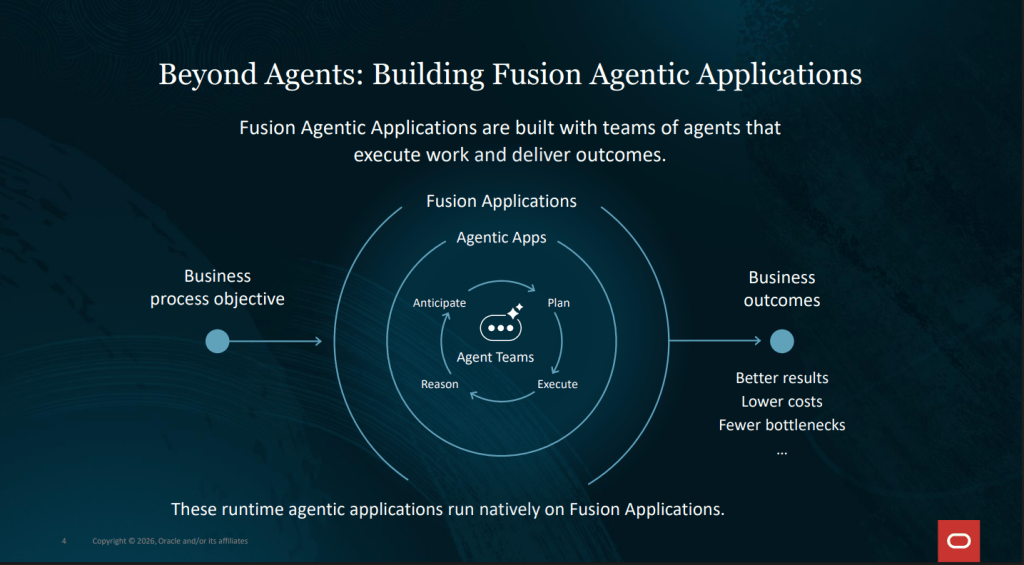
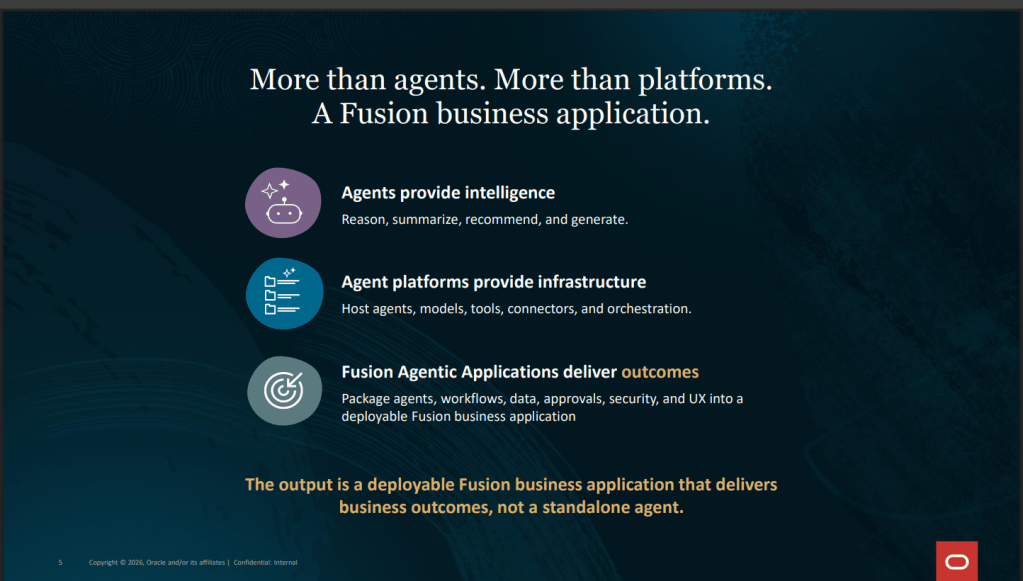
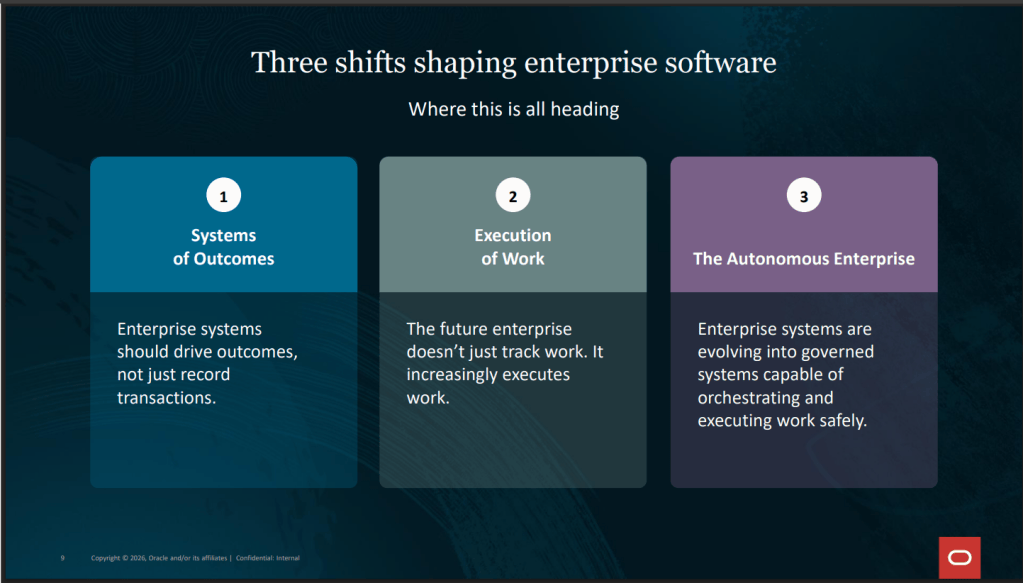
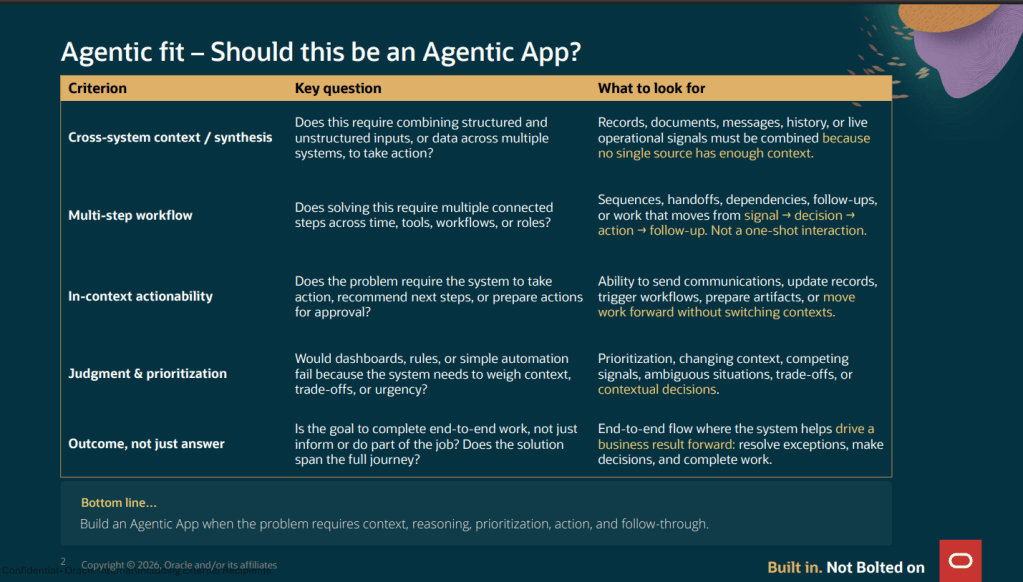
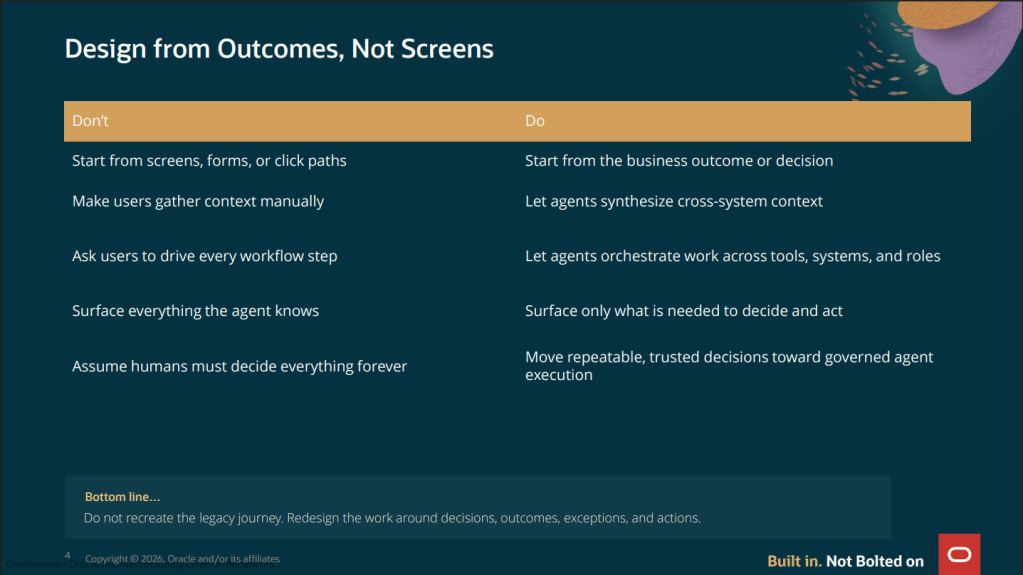
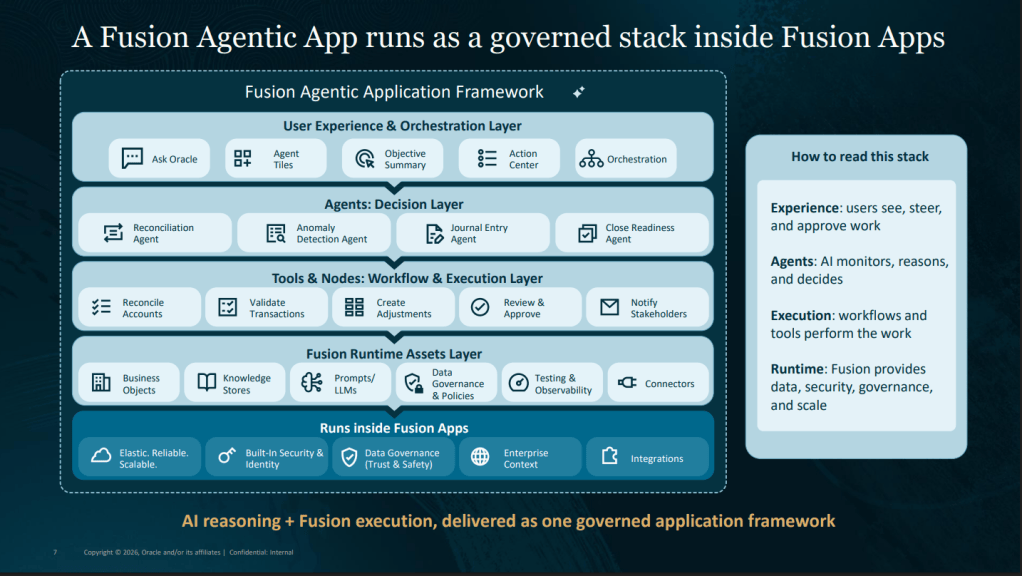
It’s quarterly release season again and Oracle Learning has delivered a surprisingly strong set of updates in 26D. What stood out to me wasn’t any individual feature. It was the direction of travel. Over the last couple of years, we’ve seen Oracle talk extensively about AI, skills intelligence, digital assistants and, more recently, Agentic Apps. For many customers, the question has been whether these capabilities would genuinely change the way people work or simply provide another layer of technology to navigate. With 26D, Oracle Learning starts to answer that question.
Several of the headline updates focus on something far more practical than flashy AI demonstrations. They help managers understand whether learning is driving development, reduce administrative effort for learning teams, and make it easier for employees to manage their own learning journeys.
What’s particularly noticeable is that Oracle is investing across the entire learning ecosystem. Managers gain better visibility into skill development, learning specialists receive more powerful AI-assisted administration tools, and learners benefit from a significantly upgraded self-service experience. As always, Oracle may add additional functionality as the quarter progresses, but let’s take a look at the highlights announced so far.
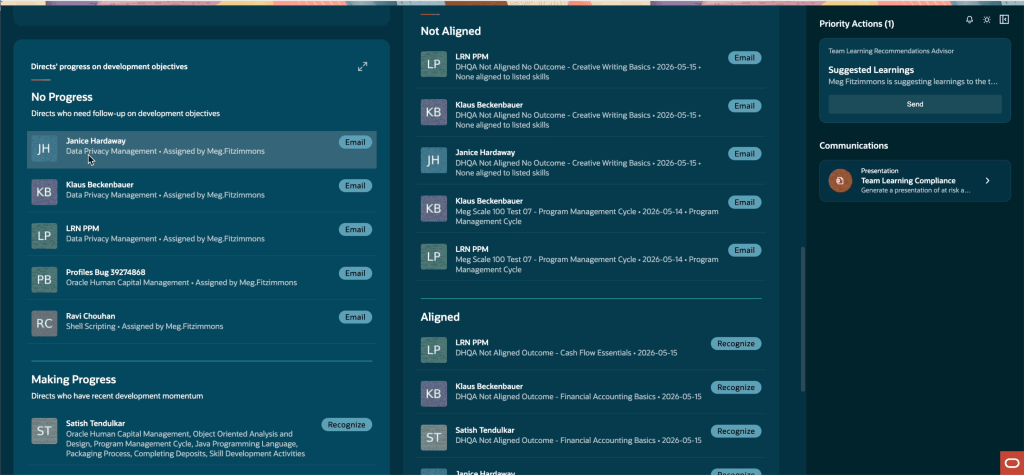
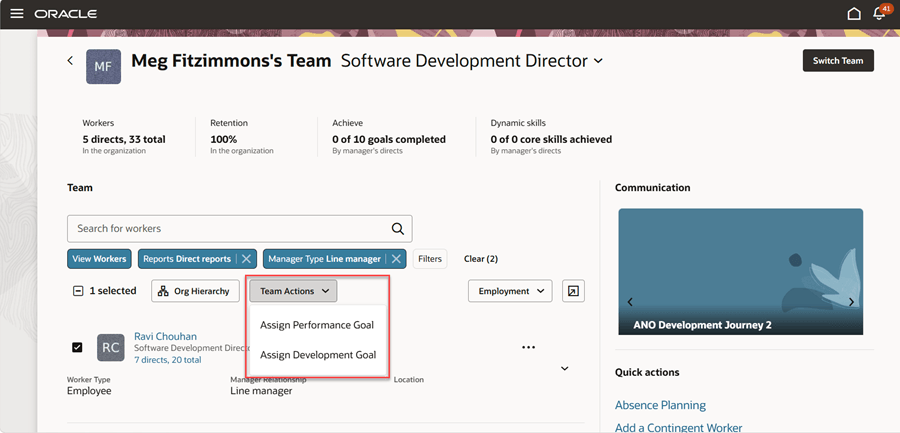
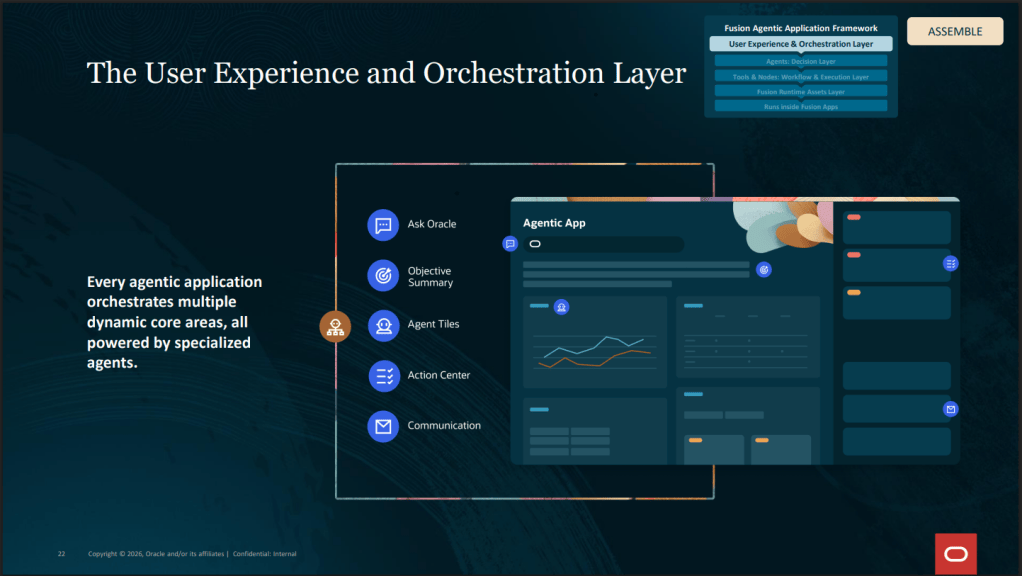
If you’ve been following Oracle’s Agentic Apps journey, the Team Learning and Development Workspace for Managers is perhaps the most interesting Learning enhancement in 26D. One of the challenges managers often face is connecting learning activity with actual employee development. Completion rates and learning hours tell part of the story, but they rarely answer the question that really matters: is this learning helping people develop the skills they need? Oracle is clearly trying to bridge that gap.
The previous Skills Development by Skill and Skills Development by Direct panels have been replaced with two new views: Directs’ Progress on Development Objectives and Directs’ Learning Alignment with Development Objectives. Rather than simply showing learning activity, managers can now see whether development goals are progressing and whether completed learning is contributing towards those goals.
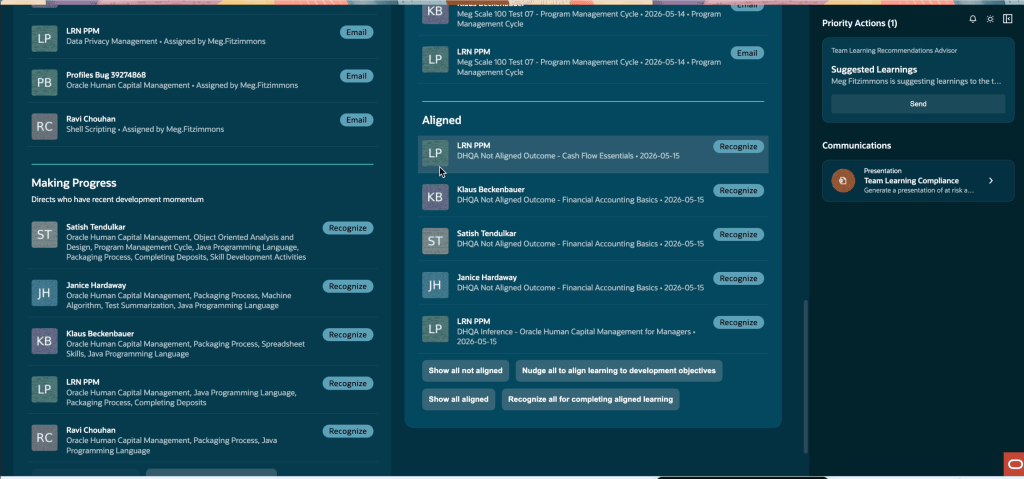
The Directs’ Progress on Development Objectives panel highlights which team members are making progress against assigned development skills during a 90-day evaluation period. Managers can take action directly from the workspace through delivered email actions, either nudging employees who haven’t started progressing or recognising those who have. The Directs’ Learning Alignment with Development Objectives panel provides a different perspective. It helps managers understand whether completed non-compliance learning aligns with an employee’s development objectives, using completion outcomes and learning context to make those connections visible.
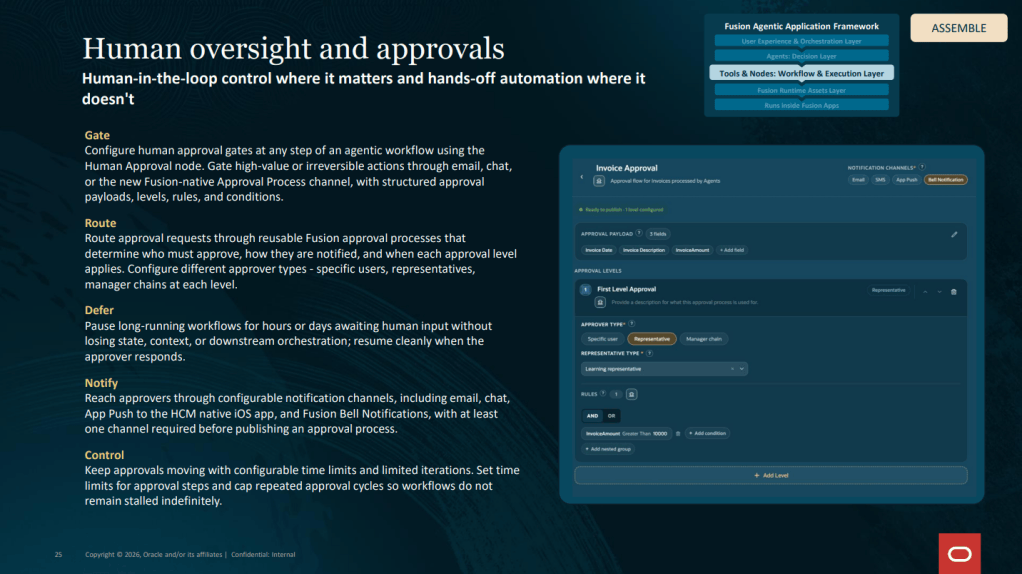
One of the concerns I often hear when discussing AI in HR is whether we’re removing too much human judgement from people processes. Oracle has struck a sensible balance here. The agent analyses learning activity, identifies who may need support and drafts appropriate communications, but managers remain firmly in control. Nothing is sent automatically. The manager decides whether intervention is needed and whether the suggested communication is appropriate. To me, that’s where enterprise AI delivers the most value. Not by replacing managers, but by helping them spend less time finding issues and more time acting on them.
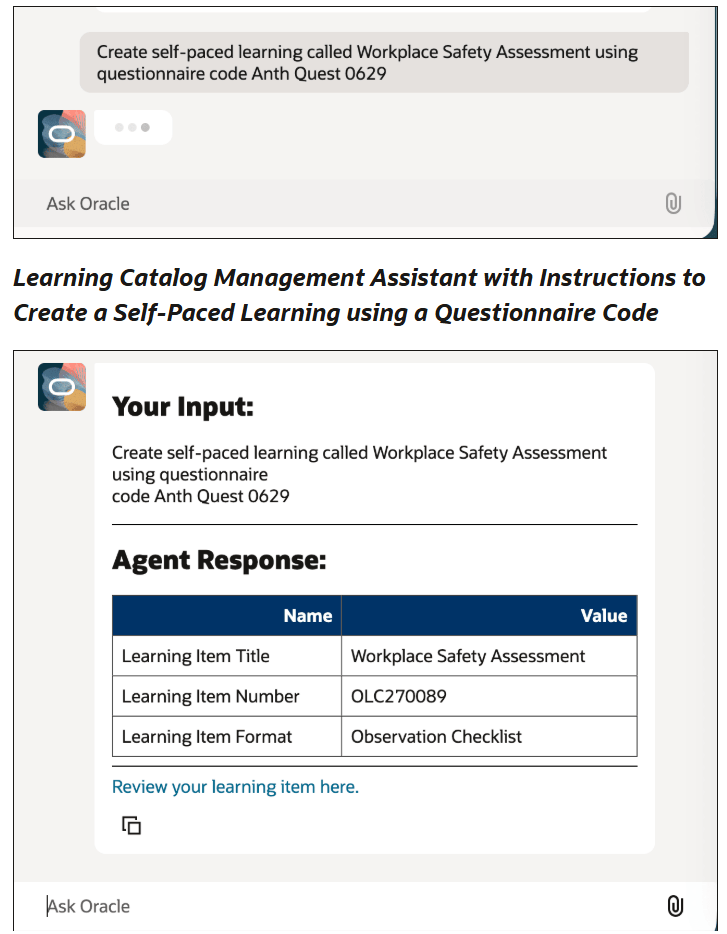
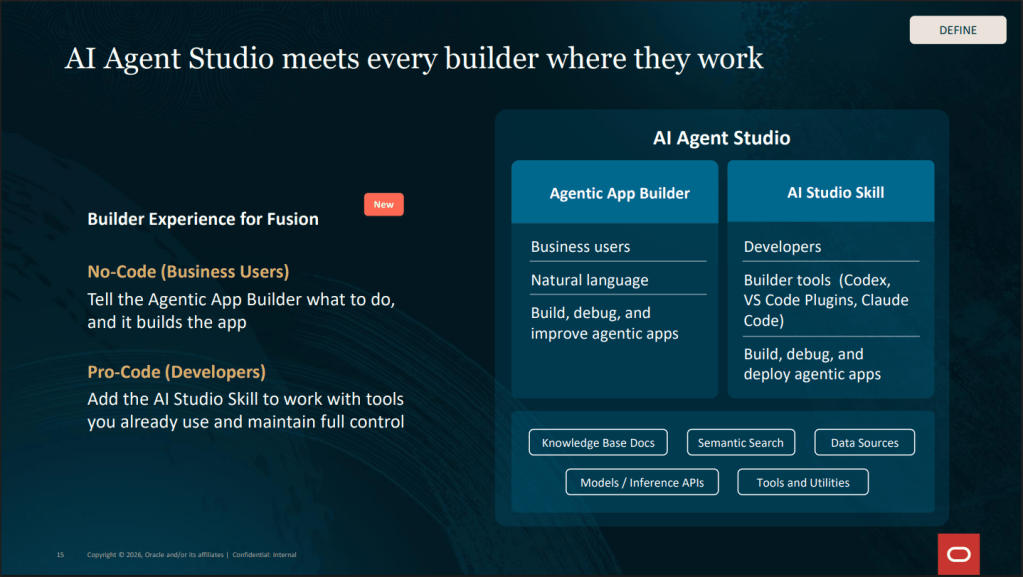
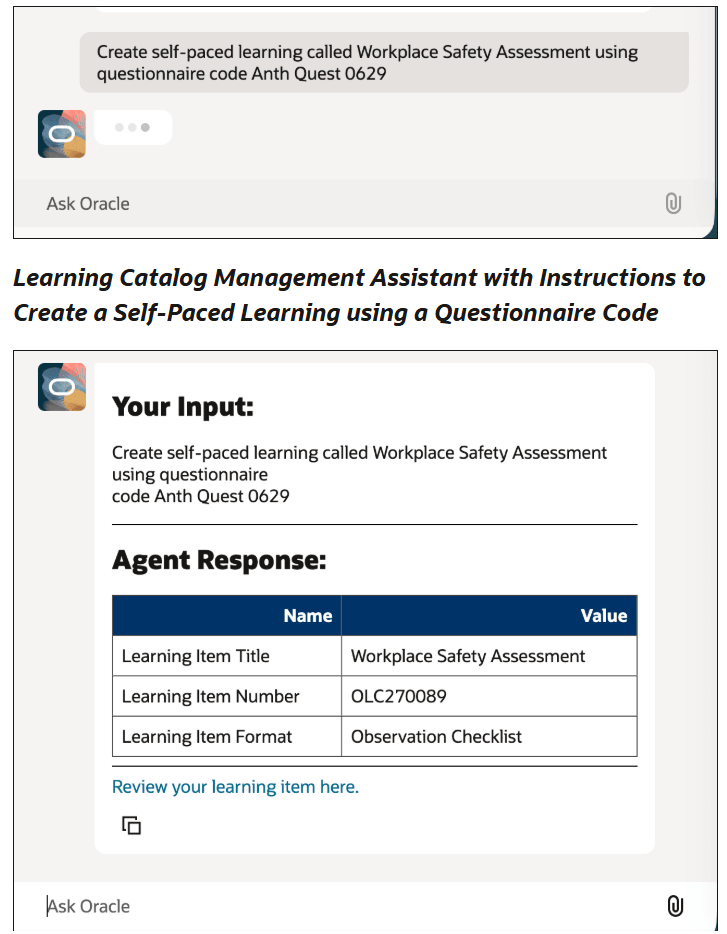
You may remember the Learning Creation Assistant, first introduced in 25D and enhanced further in 26B. In 26D, it has been renamed the Learning Catalog Management Assistant, and Oracle continues to expand what it can do. The main enhancement is support for questionnaire-based self-paced learning.
Learning specialists can now provide a questionnaire title or code and instruct the assistant to create the associated learning item. The assistant validates the questionnaire, determines whether it should be implemented as an assessment or observation checklist, and creates the learning in draft status ready for review and activation.
At first glance this might feel like a relatively small enhancement. In reality, it’s another step towards natural language administration. Learning specialists can focus on what they’re trying to achieve rather than remembering every configuration step required to get there. By allowing administrators to describe the learning experience they want to create and letting the assistant build the underlying structure, Oracle continues to remove friction from content administration. It’s exactly the type of repetitive setup activity that AI should be helping with. The assistant can also capture additional details such as mastery scores, attempt limits and visibility settings as part of the prompt, reducing the amount of manual configuration required.
Customers who already implemented the earlier Learning Creation Assistant should note that the property on the agent must be updated to reference the new delivered runnable agent. Any customisations made against copied templates will also need to be reapplied.
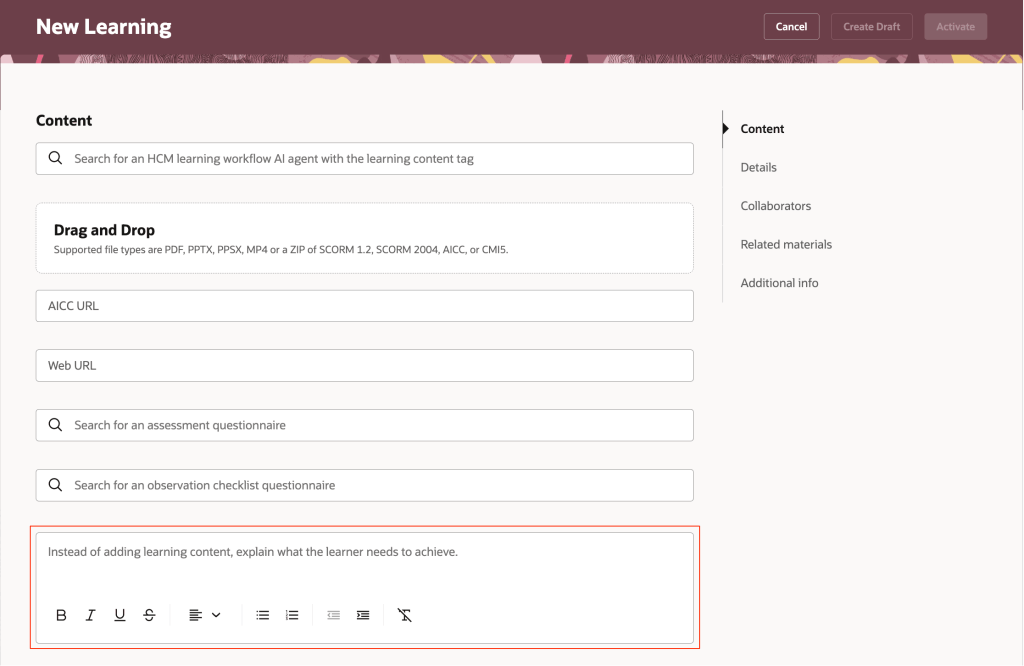
One of my favourite enhancements in 26D is also one of the simplest. Learning specialists can now create task-based self-paced learning directly from rich text instructions, removing the need for a supporting content asset. That may not sound revolutionary, but anyone who has implemented Learning Cloud will recognise the problem it solves.
Many organisations need to track activities that happen outside the platform. Reading a policy, completing an offline activity, attending an external event or carrying out a workplace task are all valid learning experiences, yet administrators have often needed to create workaround content simply to make those activities available in Learning Cloud. 26D removes that complexity entirely.
Learning specialists can simply enter instructions directly within the Redwood learning experience. Learners see those instructions as part of the enrolment details page and complete the activity according to the configured completion rules. Where learner confirmation is enabled, employees can mark the activity as completed themselves. Where administrator verification is required, that option is hidden and completion remains under administrative control.
It’s not necessarily the most exciting feature in the release, but I suspect it will become one of the most useful. The feature is enabled automatically and requires no additional configuration.
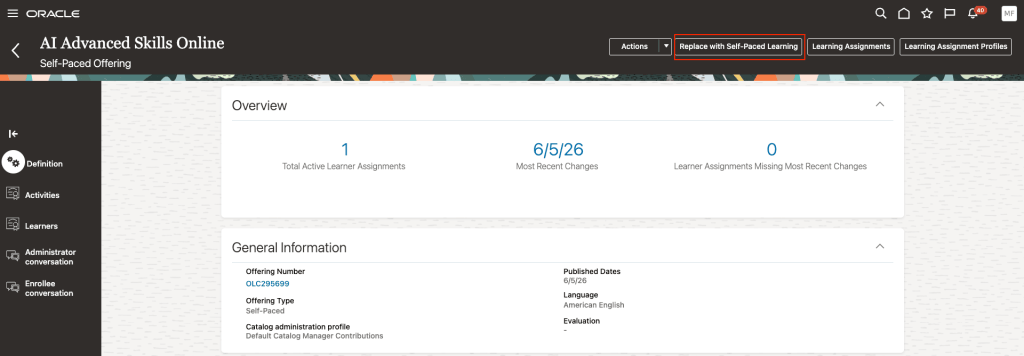
This enhancement originated in Oracle Ideas Lab, which is always encouraging to see. Learning specialists can now add self-paced learning directly into a course structure, allowing learners to access online content through courses in the same way they access instructor-led or virtual offerings. From the course details page, administrators can either attach an existing self-paced learning item or create a new one directly within the workflow.
The standout capability, however, is the new Replace with Self-Paced Learning action. I particularly like the inclusion of the replacement capability. Replacing learning content in large catalogues can be surprisingly challenging. Organisations need to modernise content without losing visibility of historical completions, compliance records and in-progress learning.
Oracle has clearly thought beyond simply enabling a new feature and considered the operational reality of managing learning catalogues over time. When a legacy offering is replaced, completed and in-progress learning records are preserved for reporting and audit purposes. Learners already progressing through an offering can still complete it, while future assignments are redirected towards the new self-paced learning. Deprecated offerings become read-only and are no longer available for enrolment, assignment or discovery within the catalogue.
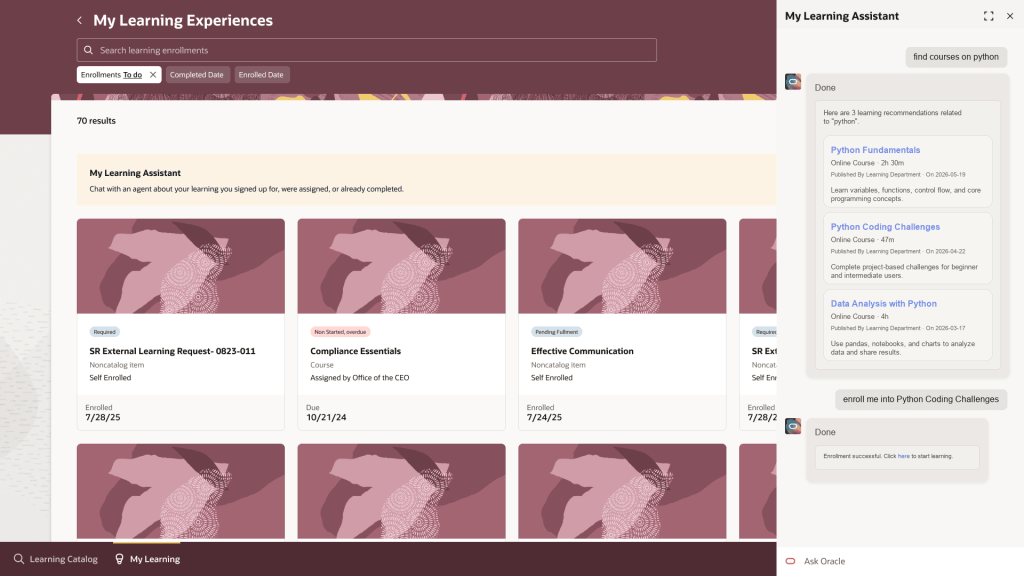
The final enhancement that caught my attention is the continued evolution of My Learning Assistant. We’ve moved well beyond the stage where conversational assistants simply answer questions. Oracle is increasingly positioning learning assistants as task-oriented experiences, helping users complete actions rather than just retrieve information. In 26D, learners can review assignments, explore recommendations, enrol onto learning and access key learning processes from a single conversation. That moves the assistant much closer to becoming a genuine learning companion rather than simply a search tool.
The assistant can now answer questions about active, overdue, mandatory, upcoming, self-enrolled and completed learning. It can recommend content from the catalogue, support enrolment directly where eligibility allows, and launch processes such as Record External Learning and Request Noncatalog Learning. Recommendation cards are also richer, displaying details including learning type, effort, pricing information, AI-generated reasoning and links to catalogue information.
Just as importantly, Oracle continues to ground responses in actual Learning data and workflows. If information doesn’t exist, the assistant won’t invent it. That may sound obvious, but trust is one of the most important factors in successful enterprise AI adoption. Users need confidence that recommendations and answers are based on real information, particularly when they’re making decisions about compliance or professional development.
Customers who deployed My Learning Assistant using the original 25D template should take note. Oracle recommends replacing the existing template with the updated delivered version to avoid inconsistent behaviour. Depending on your deployment approach, guided journeys used to surface the assistant through the Ask Oracle banner may also require updates.
If I had to summarise Oracle Learning 26D in a single phrase, it would be practical AI. There are no headline-grabbing announcements or futuristic concepts here. Instead, Oracle continues to focus on helping managers, learning specialists and learners spend less time navigating systems and more time focusing on development.
What I find particularly interesting is that Learning is becoming one of the strongest showcases for Oracle’s broader AI strategy. Across multiple features, Oracle isn’t attempting to remove people from the process. The technology is being used to surface insights, reduce administration and support decision-making while keeping humans firmly in control. That’s where I believe enterprise AI creates the greatest value. Not by replacing expertise, but by helping people apply it more effectively. And if Oracle continues along this path, Learning could become one of the strongest examples of AI delivering measurable business value within Oracle Fusion Applications.
Please note all screenshots are the property of Oracle and are used in accordance with Oracle’s Copyright Guidelines.